
Earthing Harmony Barefoot Slip-On Shoes for Women — Copper Rivet Grounding Footwear
 Earthing Harmony ·
☆☆☆☆☆ 0.00 (0 reviews) · In Stock
Earthing Harmony ·
☆☆☆☆☆ 0.00 (0 reviews) · In Stock
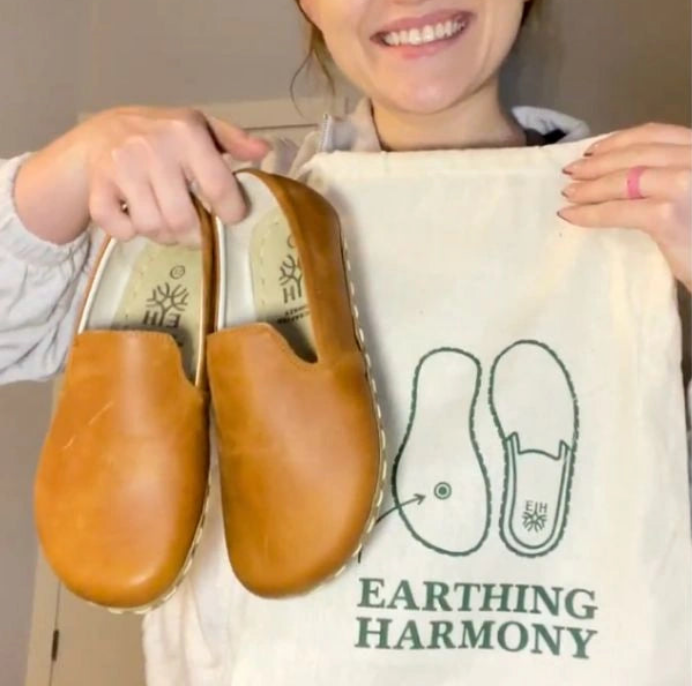
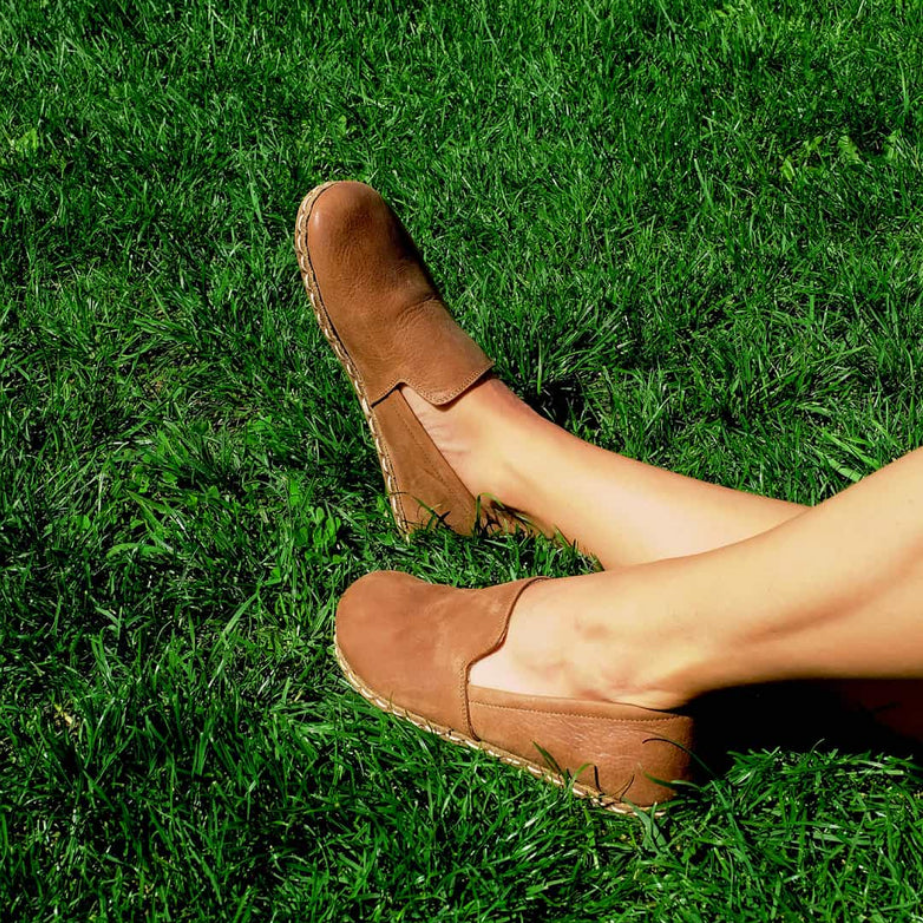
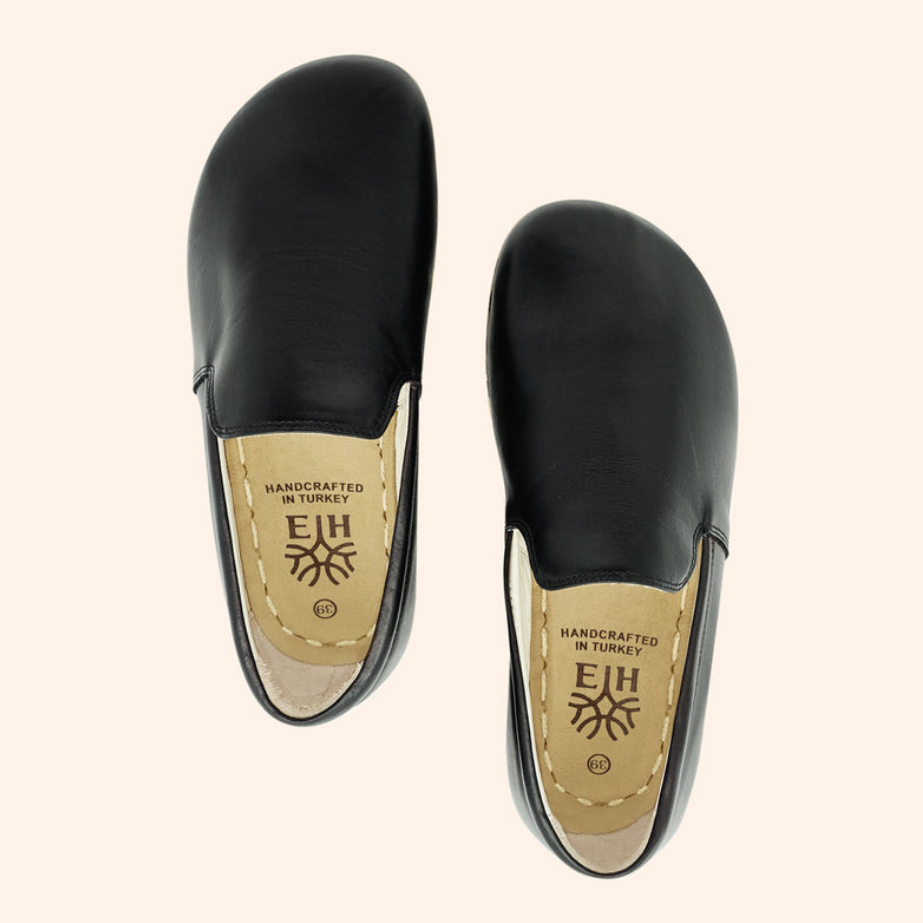
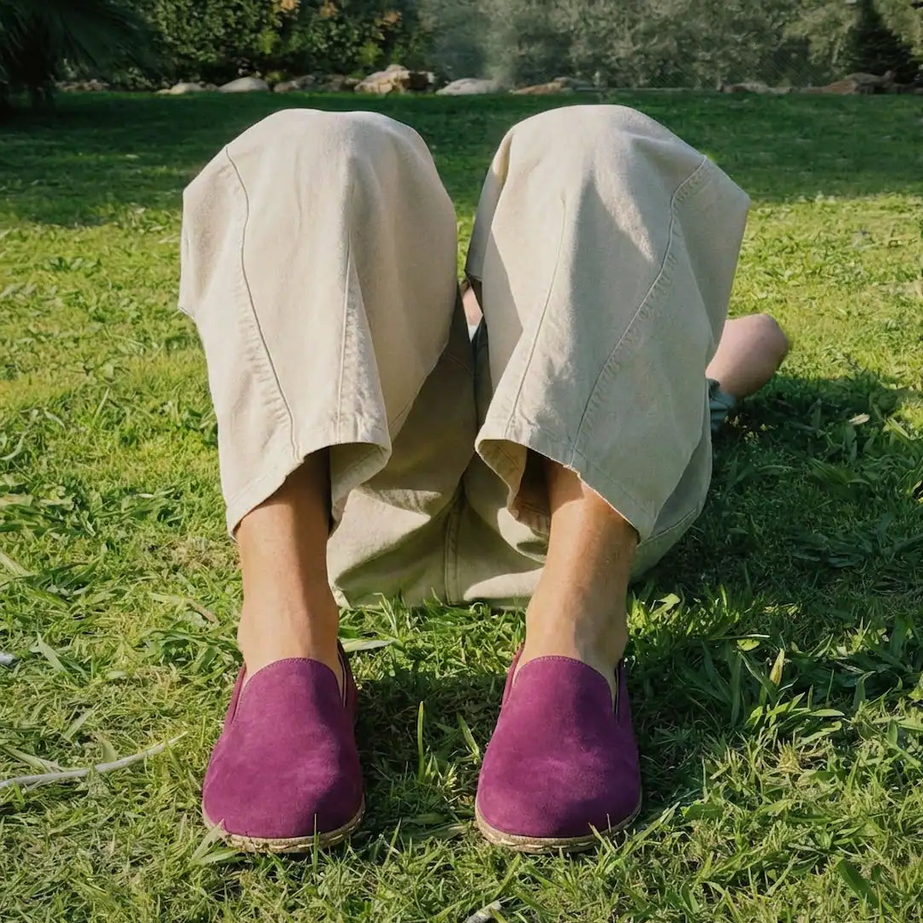
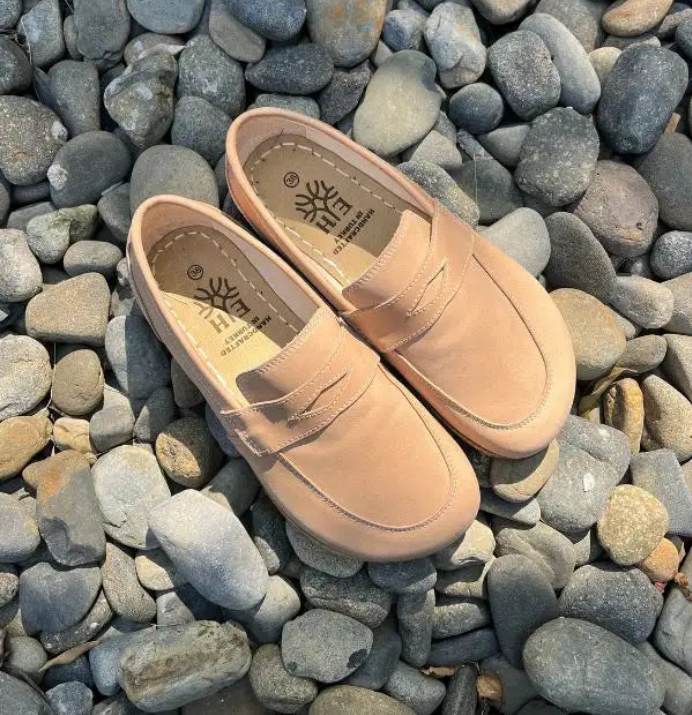
A grounding sheet covers your sleep. This covers everything else — the school run, the grocery run, the entire walking portion of your day that no bedroom product can reach. The Earthing Harmony Barefoot Slip-On Shoes for Women use a conductive copper rivet embedded into a water buffalo leather sole, paired with a top-grain leather upper, to maintain an earth connection while you walk on grass, soil, sand, or damp concrete. They're handmade, true to size with an expected break-in period as the natural leather molds to your foot, and backed by Earthing Harmony's 45-day money-back guarantee.
Highlights
- Conductive copper rivet embedded in the sole — completes an earth connection while walking on grass, soil, sand, or damp concrete
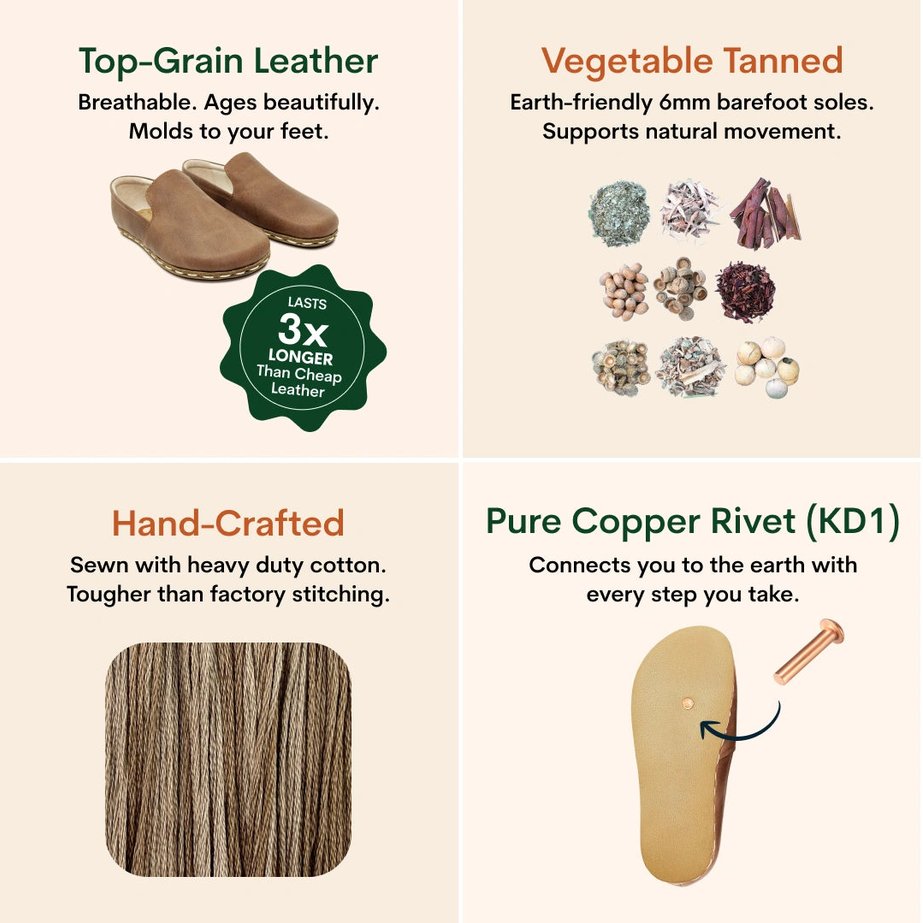
- Handmade top-grain leather upper with a durable water buffalo leather sole
- Barefoot-style minimalist construction — thin, flexible sole for natural foot movement and ground feedback
- True to size, with natural leather designed to stretch and mold to your foot over the first several wears
- Extends grounded hours into outdoor walking time that indoor sheets and mats structurally can't reach
- Backed by Earthing Harmony's 45-day money-back guarantee
- Available across multiple natural leather color options
- Part of a brand with over 100,000 customers and a 4.9 average rating
Overview
A Grounding Product Built for the Hours You're Not Home
Every grounding product GroundingMatrix has reviewed up to this point — sheets, mattress covers, mats, blankets — works because you're stationary. You're in bed, at your desk, or sitting on the couch, all situations where a conductive surface can sit beneath you connected to a wall outlet. None of that infrastructure exists once you walk out the front door.
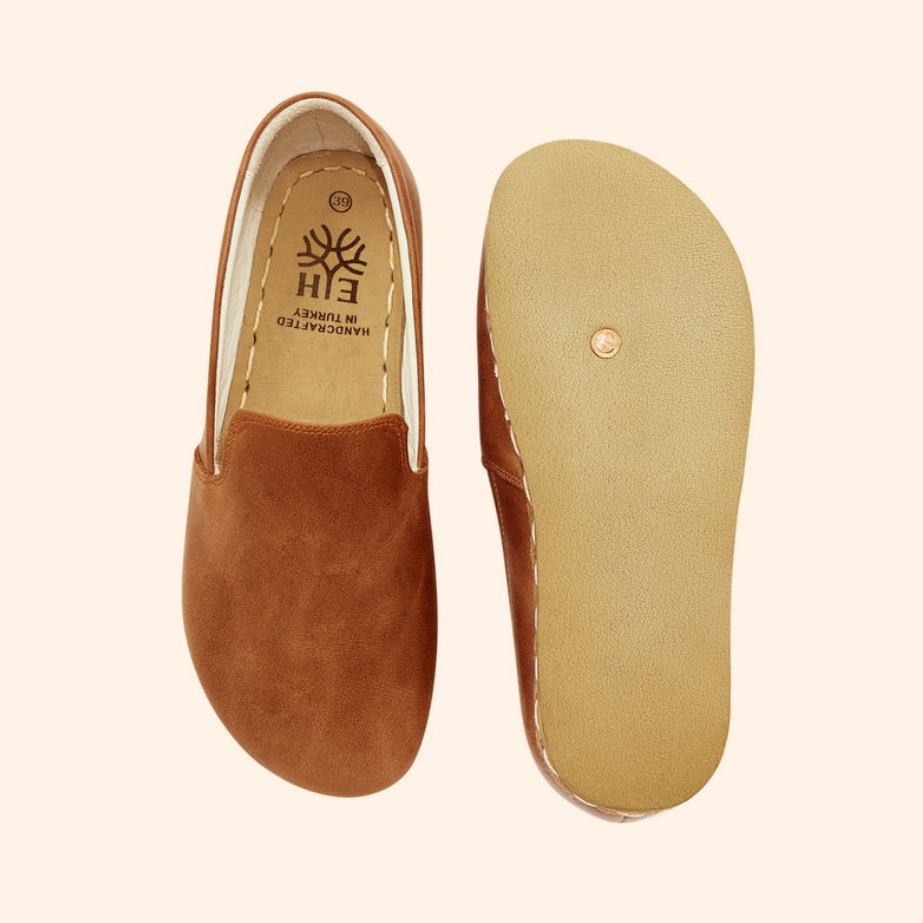
The Earthing Harmony Barefoot Slip-On Shoes solve a completely different problem: maintaining earth contact while you're moving. A copper rivet is set into the sole of the shoe, positioned to make direct contact with the ground beneath your foot with every step. When that copper rivet touches a genuinely conductive surface — grass, soil, sand, or damp concrete — it completes the same basic circuit as standing barefoot directly on the earth, just with a leather shoe in between rather than nothing at all.
How the Copper Rivet Actually Works
This is worth explaining plainly, because grounding footwear gets misunderstood more than any other product category GroundingMatrix covers. The copper rivet isn't conducting electricity from anywhere — there's no battery, no plug, no wall outlet involved at all. It's a passive conductive bridge between the ground beneath your foot and your skin inside the shoe, exactly like the principle behind every other grounding product in our index, just without the cord and outlet connection that indoor products require.
This also means the shoe's grounding function is entirely dependent on what you're walking on. Grass, bare soil, sand, and damp or unsealed concrete all conduct reasonably well and will complete the circuit through the rivet. Dry asphalt, painted or sealed surfaces, elevated decking, and almost anything indoors — carpet, tile, hardwood — won't, because those surfaces themselves aren't conductive to the earth beneath them. GroundingMatrix wants to be direct about this: these shoes are a tool for grounding during outdoor walking specifically, not a substitute for indoor grounding products during a typical day spent mostly inside.
Materials and Construction
The upper is handmade from top-grain leather, available across a range of natural tones. The sole is constructed from water buffalo leather — a denser, more durable hide than standard cowhide, chosen specifically for footwear that's designed to flex and mold with extended wear while still housing the embedded copper rivet securely.
One detail GroundingMatrix wants to flag clearly because it affects buyer expectations directly: these shoes run true to size, but the brand explicitly recommends sizing down if you're between sizes, since the natural leather is designed to stretch and mold to your foot over the first several wears. A snug initial fit isn't a sizing mistake — it's the intended break-in process for genuine leather barefoot-style construction. Buyers used to cushioned, pre-broken-in synthetic footwear should anticipate this adjustment period rather than assuming a snug first fit means the wrong size was ordered.
Barefoot-Style Design — What That Actually Means for Your Feet
Beyond the grounding function, these shoes follow a barefoot or minimalist design philosophy — a thin, flexible sole rather than a thick cushioned one, allowing more natural foot movement and ground feedback than conventional shoes provide. This is a deliberate design choice connected to the broader barefoot walking philosophy that underlies grounding footwear generally: the idea that natural, unrestricted foot movement combined with genuine ground contact supports better foot mechanics over time, alongside the electrical grounding benefit itself.
For buyers transitioning from heavily cushioned, structured footwear, GroundingMatrix would recommend the same approach as transitioning into any minimalist shoe — build up wear time gradually rather than switching to all-day use immediately, giving your feet, ankles, and calves time to adapt to the different mechanics involved.
What GroundingMatrix Wants You to Know Before Buying
Earthing Harmony doesn't publish independent conductivity testing data for this specific shoe, which is consistent with the broader transparency gap GroundingMatrix flagged in our Earthing Harmony brand review — buyers interested in verifying the grounding function themselves can do so with a simple continuity tester, touching one probe to the copper rivet on the sole and another to a grounded reference point while the shoe is in contact with damp soil or grass, the same diagnostic approach covered in our continuity tester glossary entry.
This is also a genuinely different product category from the sheets, mats, and blankets GroundingMatrix typically scores in our Matrix Trust Score system, since footwear sits outside our core indoor grounding product methodology. We're covering it here based on construction quality, transparency, and what we can verify about the design, rather than applying the full six-criterion scoring framework built around outlet-connected products.
What's in the Box
- 1x pair of Earthing Harmony Barefoot Slip-On Shoes (color and size as selected)
Care Instructions
As genuine leather footwear, periodic conditioning with a natural leather cream — available as an add-on from Earthing Harmony directly — helps maintain the leather's flexibility and appearance over time. Avoid prolonged submersion in water, since this can affect both the leather upper and the copper rivet's long-term condition. Allow the shoes to air dry naturally if they get wet rather than using direct heat.
GroundingMatrix publishes independent editorial content for informational purposes. Individual results may vary. This product is not intended to diagnose, treat, cure, or prevent any disease. Consult a qualified healthcare professional before making changes to your health or wellness routine.
Specifications
| Product Type | Grounding / Earthing Barefoot Slip-On Shoe |
| Brand | Earthing Harmony |
| Upper Material | Top-grain leather (handmade) |
| Sole Material | Water buffalo leather with embedded copper rivet |
| Conductive Element | Copper rivet (sole-embedded) |
| Grounding Mechanism | Passive conductive contact — no cord or outlet required |
| Functional Surfaces | Grass, soil, sand, damp/unsealed concrete |
| Non-Functional Surfaces | Asphalt, sealed/painted surfaces, most indoor flooring |
| Fit | True to size — sizing down recommended if between sizes |
| Break-In Period | Expected — natural leather stretches and molds with wear |
| Design Style | Barefoot / minimalist — thin, flexible sole |
| Guarantee | 45-day money-back guarantee |
| Returns Window | 45 days from delivery |
How to Use
Frequently Asked Questions
Do these shoes actually ground me while walking, or is the copper rivet just decorative?
Why do I need to size down if the shoes are supposed to be "true to size"?
How long does the break-in period actually take, and is it uncomfortable?
Can I wear these indoors at home and still get a grounding benefit?
Will these work on my morning dog walk if I'm mostly walking on sidewalk and asphalt?
Are these shoes suitable for someone who's never tried barefoot or minimalist footwear before?
What happens if I get caught in the rain — does water damage the copper rivet or the grounding function?
How is this different from just walking barefoot outside, which is free?
Do these shoes work for people with wide feet or foot conditions that need more structural support?
Is there a way to verify the copper rivet is still making good contact after months of wear?
Can I combine these with indoor grounding products like a sheet or mat for more complete daily coverage?
Customer Reviews
No reviews yet. Be the first to share your experience.
Write a Review
- SKU
- GM-EARTHINGHARMONY-SLIPON-W
- Material
- Top-grain leather upper with water buffalo leather sole and embedded copper rivet
- Dimensions
- Available across standard US/EU women's sizing — see brand size chart for heel-to-toe measurement guide